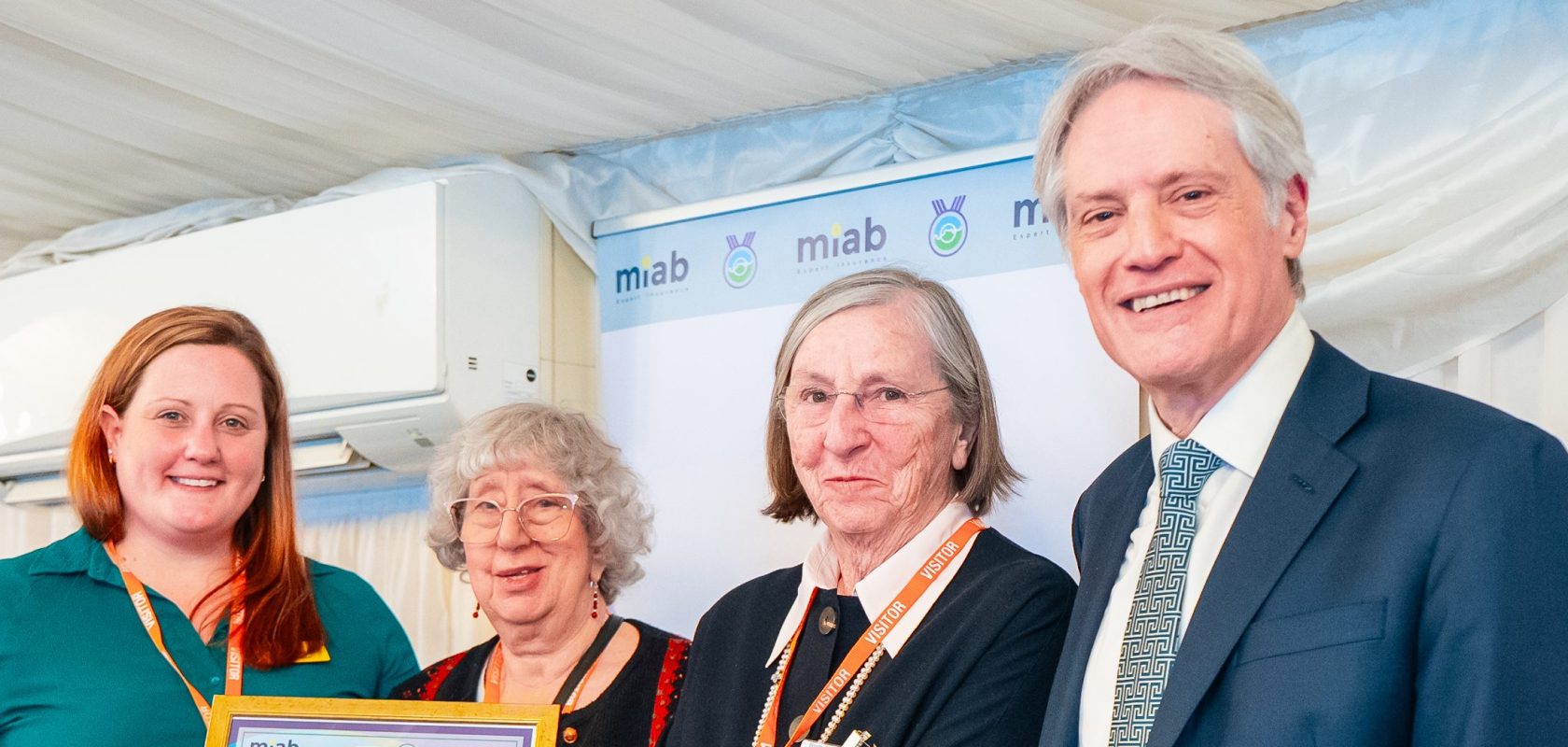
The team from Balham Park Surgery and one of the judges, Ben Coleman MP.
At the London General Practice Awards on 5 February 2026, the team at Balham Park Surgery won the London General Practice Patient Group Award.
Balham Park Surgery has become a model for long‑standing patient–practice collaboration, supporting a GP team serving around 20,000 patients in one of London’s most diverse areas.
A practice with deep roots
The practice was founded after the Second World War by a group of doctors who settled in Tooting with the aim of serving communities in need. While the area has changed significantly over the decades, becoming more mixed and increasingly affluent, the practice continues to see patients from a wide range of backgrounds.
Patient Participation Group (PPG) member, Carol Holloway, has been with the practice since infancy. “I joined when I was six months old,” she said. “I’ve seen every stage of its evolution.”
PPG Chair, Caroline Wentzel added that the group includes several lifelong patients. “Two of our members were born here and have lived locally ever since. That sense of continuity really shapes how we work.”
“At the covid vaccination clinics where we assist with marshalling, we’re meeting people we don’t normally see — older patients who need family support to attend appointments, and many whose first language isn’t English,” Caroline said. “It really opened our eyes to how varied those needs are.”
While the area does not have large social housing estates, the practice still treats patients from across the economic spectrum, including a small homeless population.
One of London’s early adopters of patient groups
Balham Park Surgery was one of the first practices to set up a patient group. A former practice manager championed the PPG model and built the foundations of a strong, integrated partnership.
“We work side by side with the practice,” Caroline said. “A GP partner and the practice manager attend all of our ten meetings each year, which means we’re never kept at arm’s length.”
The group previously received dedicated funding for patient engagement, but as this has reduced over time, the group has adapted. Small amounts are now raised through support at vaccination clinics, and digital newsletters have replaced more expensive printed communications.
Award‑winning work on digital inclusion
The PPG has been recognised for its work on digital access and patient experience, particularly during the rollout of new appointment systems. “We were early adopters of digital appointments, before they were mandatory,” said Carol.
“This meant that we had time to help the practice understand how patients felt about the changes.”
The group has also focused on the barriers faced by patients with disabilities when using digital tools. Members with lived experience — including hearing loss, visual impairments, mobility issues and limited smartphone dexterity — contributed to a professionally produced 11‑minute video to help train care navigators.
The video proves so impactful that the practice now shows it to all new staff, not just care navigators. “The practice said that it made a real difference,” Caroline noted. “Our next video will share the care navigators’ perspective, so patients can better understand their role too.”
A call for new members
The PPG currently has around 15 active volunteers, most of whom are older women. While the group is highly committed, its members are conscious that they do not reflect the full diversity of the local community. “We’re a really committed group, and over time we’ve become genuine friends,” Caroline said. “However, we need younger people, more diverse voices, and people who can bring different skills.”
Caroline also highlighted the personal benefits of getting involved, particularly for wellbeing and mental health. “Volunteering can make such a difference,” she said. “One member joined shortly after being widowed, and it had an enormously positive impact on her life.”
The group is now actively looking to widen its reach, including offering opportunities for younger people and students to help with communications, digital engagement, and other practical support.
With the national PPG network recently closing due to a lack of volunteers, the group is keen to stress the importance of involvement at a local level.
“If people want to support their GP services and help shape how they work, the patient group is one of the most direct and positive ways to do that,” Caroline said. “We’d really love more people to join — especially those who can bring new ideas and perspectives.”